The Top 10 Skills of a Good Teacher You Need to Know
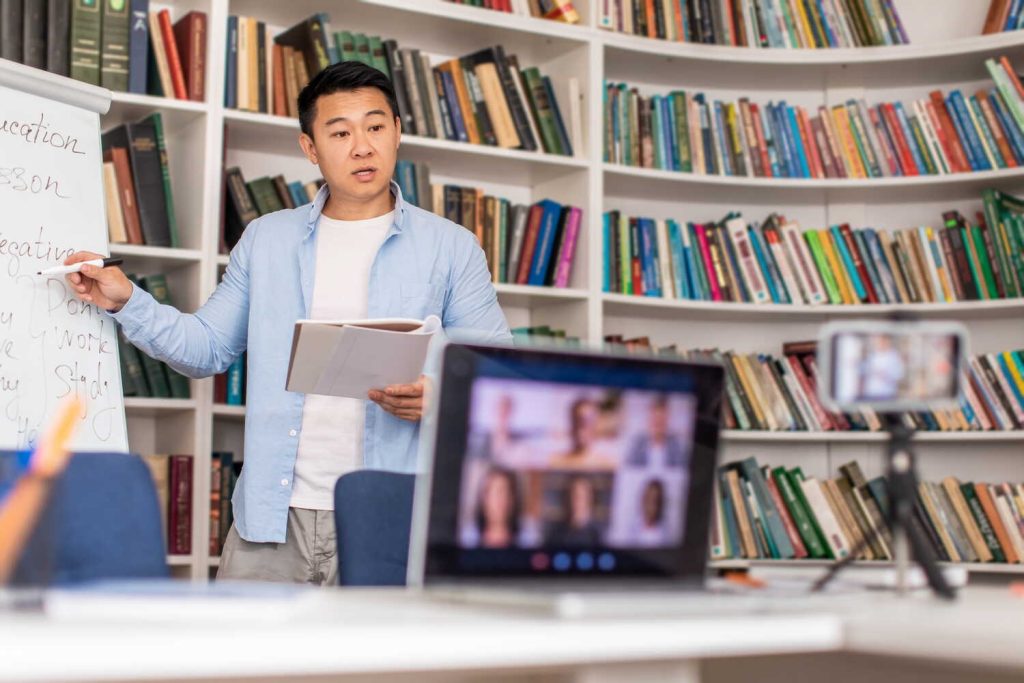
Teachers are the unsung heroes of society, shaping generations of young minds and guiding them on the path of knowledge and personal growth. And beyond the textbooks and lesson plans, it’s the essential qualities of a teacher that truly define their impact on students.
Given the heft of a teacher’s responsibilities, honing the skills to become a good educator is crucial. Improving teaching skills to develop youth is a continuous process that requires dedication, perseverance, and flexibility. Being able to adapt to new generations of learners and technological innovations is the key to an educator’s success.
So, what exactly are the essential teacher skills and qualities? If you’re curious about what it takes to be a good educator, you’re in luck! In this blog, we explore the key skills of a teacher and how you can improve them.
What Skills Should a Teacher Have?
Digital tools, artificial intelligence, online learning platforms, and data-driven instruction have become increasingly common in education. These competencies help teachers deliver lessons more efficiently while giving students more ways to learn and participate.
Here are five technical skills that teachers can develop:
1. Digital and Learning Management System (LMS) Skills
Teachers should be comfortable using learning management systems such as Google Classroom, Moodle, Canvas, or similar platforms. These tools allow educators to upload learning materials, organize assignments, communicate with students, administer assessments, and monitor coursework in one place. Familiarity with an LMS is especially useful for teachers handling blended or fully online classes.
2. AI and Digital Literacy
Artificial intelligence is becoming an increasingly relevant part of education in 2026. Teachers can use AI-powered tools to brainstorm lesson activities, create practice materials, organize information, and support personalized learning. However, digital literacy also means knowing how to evaluate AI-generated information, protect student data, identify inaccuracies, and use technology responsibly. Understanding how AI works and where its limitations lie is now an important part of the modern teacher’s toolkit.
3. Data and Assessment Skills
Teachers increasingly work with digital assessment results and student performance data. Knowing how to interpret grades, assessment results, attendance information, and learning progress can help educators identify areas where students need additional support. Basic data literacy enables teachers to make informed instructional decisions rather than relying solely on intuition.
4. Multimedia and Digital Content Creation
Modern learners encounter information through videos, presentations, infographics, interactive activities, and other digital formats. Teachers can benefit from knowing how to create or edit basic multimedia content using presentation software, video tools, digital whiteboards, and educational applications. These skills can make lessons more accessible and engaging for different types of learners.
5. Digital Safety and Cybersecurity Awareness
Teachers also have a responsibility to use technology safely. Understanding strong passwords, privacy settings, phishing attempts, secure file sharing, and responsible handling of student information can help protect both educators and learners. As more school activities move online, basic cybersecurity awareness is becoming an important part of the technical skills of a teacher.
Developing these technical competencies does not mean that teachers need to become technology experts. Instead, the goal is to understand which tools can genuinely improve learning and how to use them effectively.
Essential Qualities of a Good Teacher
Being a teacher is more than just explaining complex topics to students. Teachers can change lives and perspectives, challenging students to think critically while helping them understand the big picture of their lessons. It’s their duty to guide and inspire their students into paths that can lead them to future success.
That said, here are the skills a teacher should have:
1. Passion for Teaching
At the heart of every good teacher is an unwavering passion for their craft. As in any other profession, it’s your drive that continually seeks to inspire curiosity and enthusiasm in your students. When your passion for teaching is apparent, your students can react and give back the same energy you put out. It’s something you can use to elicit their participation.
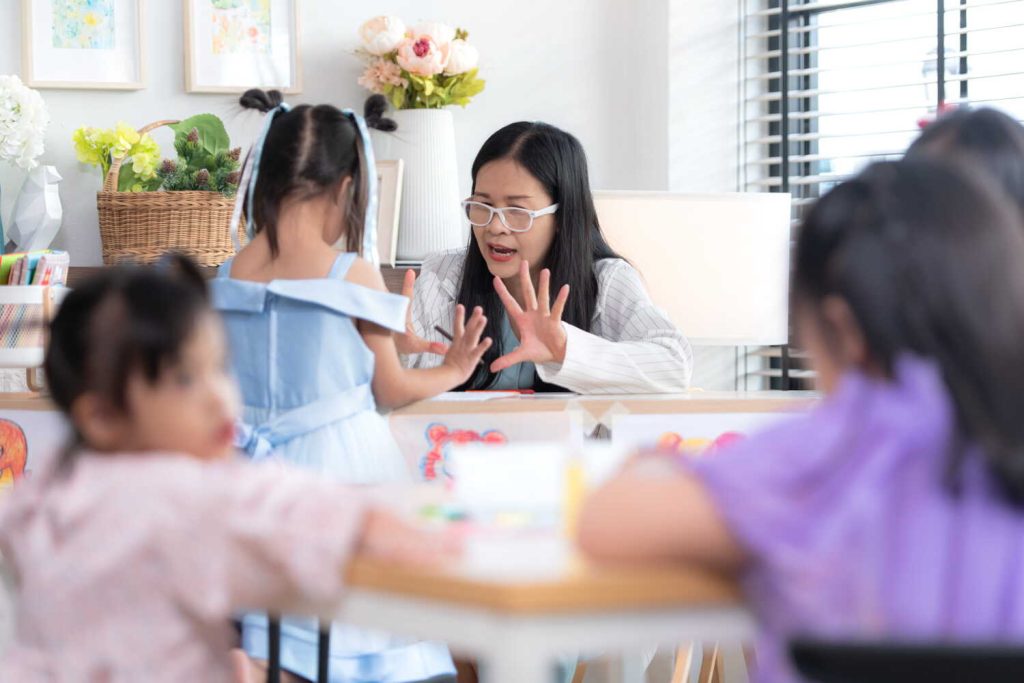
To develop your passion for teaching, engaging with your subject matter and reflecting on its significance can help you realize why you teach in the first place. And once you do, you can explore various teaching methods to help you cultivate your passion, making your profession enjoyable.
2. Empathy and Patience
Being an empathetic teacher gives you an understanding of your students’ unique needs and challenges. Each child is different because of their diverse backgrounds, and appreciating their unique selves can help you build deeper connections with them.
Complementary to empathy, good teachers also possess high levels of patience. With this virtue, you can offer students your unwavering support, especially for those who struggle. By creating a reassuring environment, you can foster resilience and growth.
Empathy and patience are qualities that you can develop over time with self-awareness and practice. Actively listening to your students and seeking to understand their perspectives can help you manage your impulse behavior effectively.
3. Adaptability
Effective teachers are flexible and adept at customizing their teaching methods to suit students’ varying learning styles. By eagerly embracing educational innovations and changes, you can ensure that your lessons remain relevant and engaging for all.
Being adaptable to different types of learners is a skill to develop continuously. Every new generation has its own way of thinking and newer technologies to explore. This is why leveraging the importance of CPD for teachers is vital to your growth. By continuing your professional development, you can be a more effective teacher.
4. Strong Communication Skills
The ability to communicate with students is the cornerstone of teaching. Good teachers excel at conveying complex concepts in a clear, relatable way that students can understand. Strong communication skills help you foster an open and respectful dialogue in the classroom, creating a space where your students feel comfortable expressing themselves.
To be a good communicator, you must continuously practice your reading and writing skills. This strengthens your vocabulary and trains your mind to think faster and more critically about a range of topics. You can engage in activities like public speaking or active listening exercises to continually refine your communication skills.
Communication also extends beyond the classroom. Teachers may need to communicate with parents, fellow educators, administrators, and students through email, messaging platforms, video calls, and other digital channels. Clear and professional digital communication is therefore another useful addition to the skills for teachers.
5. Respect for Students
Good teachers value the opinions and ideas of their students. They’re not afraid to broaden their perspectives and seek to understand their class’s point of view.
By treating each of your students with respect, you recognize their potential and encourage them to reach for their dreams. Letting yourself accept other perspectives helps you move beyond preconceived notions and opens your mind to possibilities within the concepts presented in your class lectures.
6. Mentorship and Guidance
Beyond academics, being a good educator means serving as a mentor and guide. You’re in charge of helping learners navigate both academic and personal challenges, encouraging their holistic development.
Becoming a mentor requires your commitment to the growth and well-being. Engaging in mentorship programs and seeking guidance from experienced educators can help you develop your skills and actively support your class.
For teachers who plan to move into higher education, these mentoring and communication abilities can also support the transition into academic roles. Learning about the reasons to become a professor can help educators understand the broader opportunities available in academia.
7. Continuous Learning
Good teachers are lifelong learners themselves. Staying up to date on the latest educational trends, teaching methodologies, and subject matter is part of your responsibilities. Your commitment to personal growth sets an example for your students and keeps your teaching methods fresh and innovative.
Enrolling in seminars, conferences, short courses, and CPD programs for teachers can help you stay up to date with the latest educational trends. Pursuing certifications or advanced degrees can deepen your knowledge and enable you to create your own contributions to academia.
Continuous learning is also one of the most important ways to keep your teaching skills relevant. As new educational technologies and classroom practices emerge, teachers who actively pursue professional development are better positioned to determine which approaches are worth adopting.
8. Creativity and Innovation
To be an impactful teacher, you have to learn ways to infuse creativity into your lessons. That way, your students can enjoy learning and have memorable experiences. Creativity can encourage students to think analytically, solve problems, and approach challenges with an open mind.
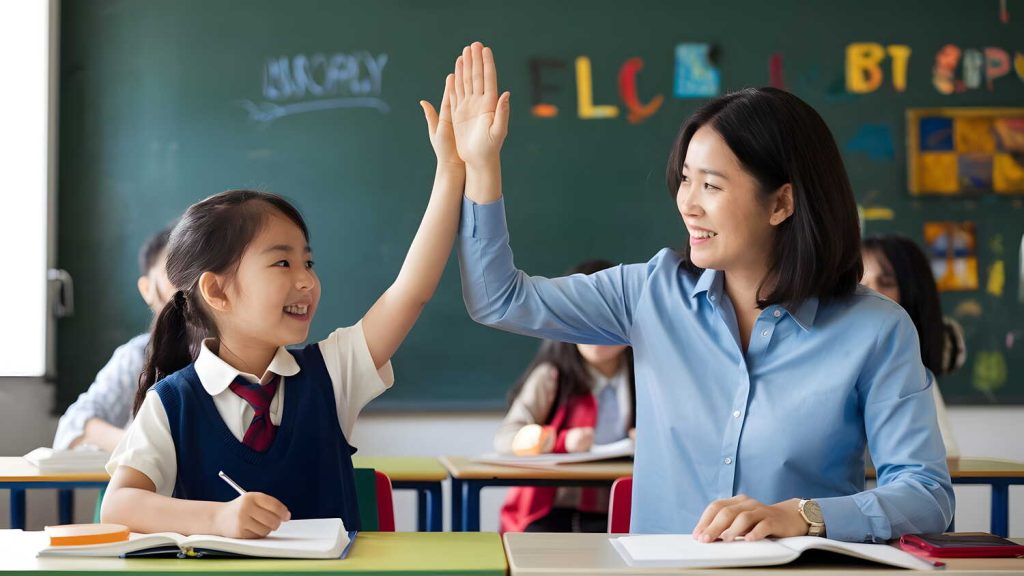
Exposing yourself to diverse experiences and perspectives can nurture your creativity and innovation. Don’t be afraid to experiment with your teaching methods and explore new approaches to engage and inspire your students.
Technology can also support classroom creativity. Teachers can use interactive presentations, digital simulations, collaborative documents, educational games, and multimedia assignments to give students different ways to demonstrate what they have learned. The important thing is to use these tools with a clear learning objective rather than simply adding technology for its own sake.
9. High Expectations
As a teacher, it’s natural to set high standards for your students. By believing in their potential, you can challenge them to achieve beyond their perceived limits and deepen their learning. Finding the right amount of pressure to push learners to achieve their potential can stimulate confidence and ambition.
Clearly communicating your goals for your students and providing constructive feedback can help them meet and exceed the expectations you’ve set. However, it’s important to remember that your expectations of them also mirror your effectiveness as a teacher and mentor.
Setting high expectations also requires teachers to recognize when students need additional support. Combining clear standards with timely feedback, accessible learning materials, and appropriate interventions can help make those expectations realistic and achievable.
10. Adherence to Ethics and Values
Being an educator means being a model of ethical behavior and values. Integrity, fairness, and honesty in your actions and words are essential qualities to possess. As a teacher, you’re not just explaining a subject to your students, but also shaping their character and values as they mature.
Consistently reflect on your actions and decisions whenever you teach. Constantly review and remind yourself of the Philippine Code of Ethics for Teachers, and serve as an ethical role model for your students. That way, you can ensure that your integrity as an educator remains intact and that your students are taught to apply these values in their lives.
Becoming a good teacher and possessing all these essential qualities is both beneficial and fundamental. Teachers with a strong set of values and skills can leave an enduring mark on their students. Their respect for individuality, commitment to mentorship, and dedication to continuous learning set the stage for students to have a transformative educational journey.
Choosing OEd Post Grad to Hone the Key Qualities of a Teacher
Being an educator means continually improving yourself to understand your students’ needs. And by seeking opportunities for self-improvement, such as CPD programs or short courses for teachers, you can effectively develop your teaching skills and build an impactful career in academia.
Developing your qualifications can also open opportunities beyond basic classroom teaching. Teachers who want to pursue higher education careers can explore the requirements involved in how to become a professor in the Philippines and determine which postgraduate qualifications may support their career goals.
With OEd Post Grad, we can help you accelerate your career in education. With our faculty of experienced teachers and industry leaders, we can train your skills as an educator and ensure that you are equipped to shape the young minds of today.
The flexibility of our online program gives you the freedom to pursue high-quality learning as you fulfill your day-to-day responsibilities. As long as you have a reliable laptop and a stable internet connection, you can access our premier courses anywhere and anytime.
Get in touch with us to learn more about our programs and apply at OEd Post Grad today!