
CPD Requirements for Nurses in the Philippines: How to Complete Your Units Without Leaving Work
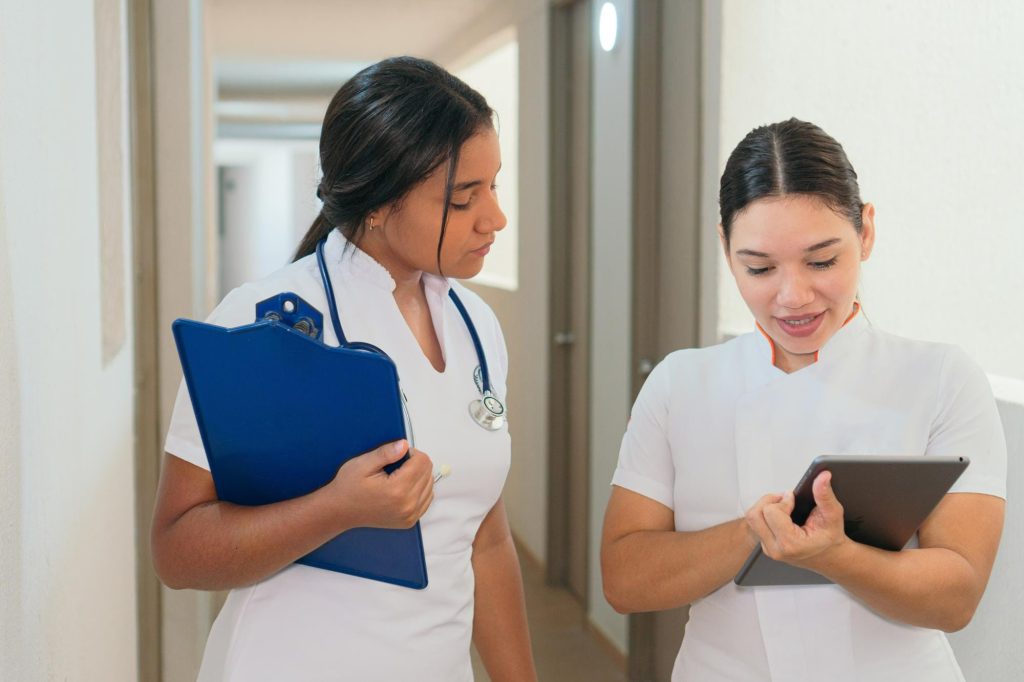
Any career in the medical field is a noble profession. It’s also one of the most demanding. Between long shifts, staff shortages, and responsibilities at home, many Filipino nurses struggle to find time for anything beyond the next duty schedule, including the continuing professional development (CPD) needed to keep their license active.
If your PRC renewal is coming up and you’re unsure where you stand, this guide explains the current CPD requirements for nurses: how many units you need, what counts, whether online courses are accepted, and what to expect at renewal. It also shows how you can complete your units from home, on your own schedule.
What Are the CPD Requirements for Nurses in the Philippines?
CPD is mandatory for all PRC-licensed nurses under Republic Act No. 10912, or the Continuing Professional Development Act of 2016. The law requires regulated professionals to keep learning after passing the board exam, so their knowledge and skills keep pace with current standards of practice.
For nurses, CPD requirements are set by the CPD Council for Nursing under the Professional Regulatory Board of Nursing. The council accredits CPD providers and programs, and it determines how many units each activity is worth.
Why Do I Need to Worry About CPD?
CPD is an internationally mandated form of supplementary learning that practicing nurses must adhere to if they choose to keep their medical profession. Your Professional Identification Card, or PIC as a nurse is only guaranteed by meeting the minimum unit requirement for CPD courses for nurses. This is the only way to continue practicing as a nurse so your PIC doesn’t expire.
Wherever your nursing career path in the Philippines leads, whether it’s a specialization, a supervisory role, or work abroad, continuous learning keeps you qualified and ready for the next step.
How Many CPD Units for Nurses in the Philippines Are Required?
Nurses currently need 15 CPD units for every three-year renewal cycle. When the CPD Act first took effect, the requirement was 45 units. In 2019, the PRC reduced it to 15 units for most professions, including nursing.
Fifteen units over three years works out to about five units a year. That’s manageable if you spread it out, but easy to fall behind on if you leave it until the months before your license expires. Since PRC guidelines can change, check the latest issuances from the PRC or the Board of Nursing before you plan your units.
What Counts Toward Your CPD Units?
Not every seminar or training session automatically earns credit. To count toward the CPD units required for PRC renewal for nurses, an activity generally needs to fall under one of these categories:
- Accredited CPD programs. These include seminars, workshops, conventions, webinars, and online courses from PRC-accredited CPD providers. Each program has an accreditation number and a set number of credit units.
- Formal postgraduate education. Continuing education in nursing, such as a master’s degree, may be credited under the CPD Council’s guidelines.
- Self-directed learning. Some independent learning activities can be credited after you apply to the CPD Council.
- Professional contributions. Serving as a resource speaker, publishing research, or authoring professional materials may also earn units.
For a step-by-step look at each pathway, see our guide on how to get CPD points as a nurse.
What Happens at PRC License Renewal?
Once you’ve completed the units you need, the next step is to put them to use by renewing your PRC license. Here’s what to expect when it’s time to renew.
Your PRC license, which appears on your Professional Identification Card (PIC), is valid for three years. When you renew, the PRC checks whether you’ve met the CPD units required for PRC renewal for nurses. Renewal applications are filed through the PRC’s online services, and accredited providers report your completed programs to the PRC.
Here’s how to keep the process smooth:
- Track your units throughout the cycle instead of counting them at the last minute.
- Keep digital copies of all your certificates of completion.
- Check your credited units well before your license expires, so you have time to fix any gaps.
- Read the PRC’s current renewal guidelines, since policies for professionals with incomplete units have changed over the years.
Meeting the CPD requirements for nurses early means one less thing to worry about when your license is due.
Why Is Continuing Education Important in Nursing?

CPD requirements for nurses exist for a reason, and it isn’t just to complete a license renewal checklist. Healthcare changes constantly. Treatment protocols are updated, new technologies reach hospital floors, and patient safety standards are revised as evidence grows.
Why is continuing education important in nursing? It keeps your practice safe, current, and evidence-based. That benefits your patients first, but it benefits your career too. Nurses who keep learning are better prepared for specialized roles, supervisory positions, and opportunities abroad.
CPD can also be a starting point for something bigger. Many nurses use short courses to explore a specialization before committing to graduate studies.
Once you’ve decided to invest in your learning, the next question is how. Today, nurses can earn CPD units either online or on-site, and each format suits different needs.
Online vs. Onsite CPD
Online and on-site CPD programs both count toward your units, as long as the provider and the specific program are accredited by the CPD Council for Nursing. The PRC doesn’t give lower credit to a program just because it’s delivered online.
The bigger difference is practical. Onsite seminars offer hands-on practice and face-to-face networking, but they require travel, fixed schedules, and often time off work. Online courses, especially self-paced ones, let you learn around your shifts.
Before enrolling in either format, confirm the program’s accreditation number and the number of credit units it offers.
Benefits of Online CPD
Online CPD is a practical way for nurses to earn units without sacrificing rest days, income, or time with family. Here are some of the biggest advantages.
1. Learn Around Your Shifts
Nurses barely have time to plan for CPD. Rotating schedules, extended duties, and unexpected emergencies make it hard to commit to a seminar date weeks in advance. Ideally, choose a self-paced online CPD course that fits your ever-changing shifts. You can study after duty, on your rest day, or whenever you have a free hour. Best of all, you can do this without resigning from or taking leave from your current position.
2. Give Yourself Time to Recover
Nursing is physically and mentally exhausting. Spending your day off traveling to a venue and sitting through a full-day seminar takes away time you need to rest. Learning from home lets you complete modules in shorter sessions, at a pace that doesn’t add to your fatigue.
3. Save on Costs
Online CPD courses let you learn from qualified instructors and well-designed modules without paying for transportation, lodging, or meals. These costs add up quickly, especially for nurses in the provinces who would otherwise travel to a city for seminars. You can put the money you save toward your family, your savings, or your next learning goal.
Complete Your CPD Units from Home with OEd
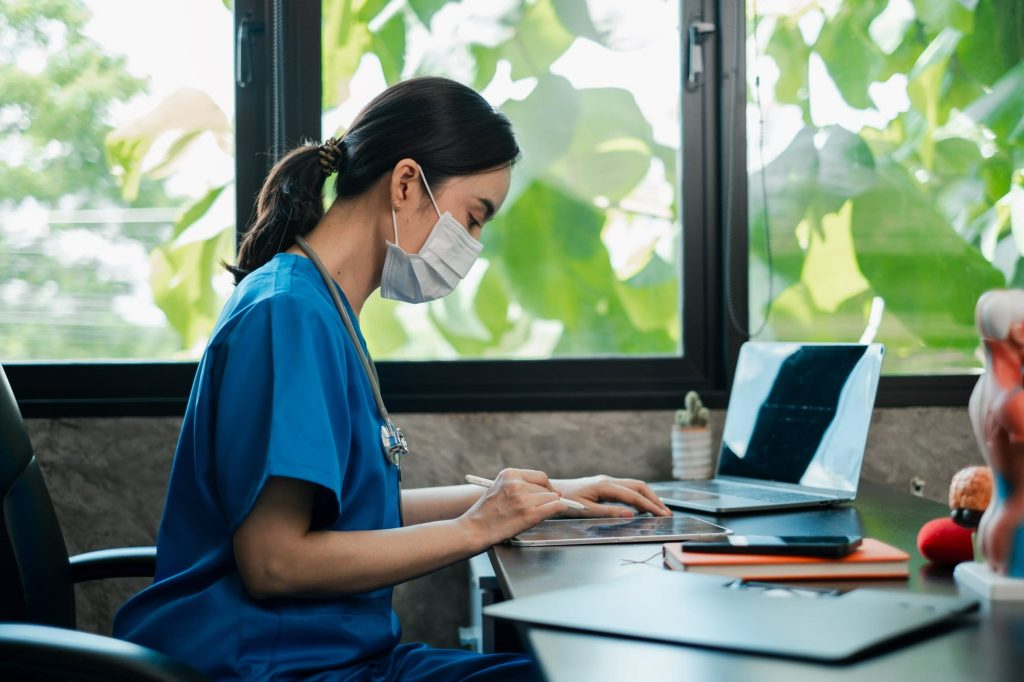
Meeting your CPD requirements shouldn’t mean giving up rest days, taking unpaid leave, or traveling across the city after a long shift. Your license reflects your commitment to your patients. OEd is here to help keep it active.
We offer self-paced online CPD for nurses, designed for nursing professionals who need flexibility. You can access your modules anytime, study from home, and complete your units in a way that fits your schedule.
Start earning your units today!